
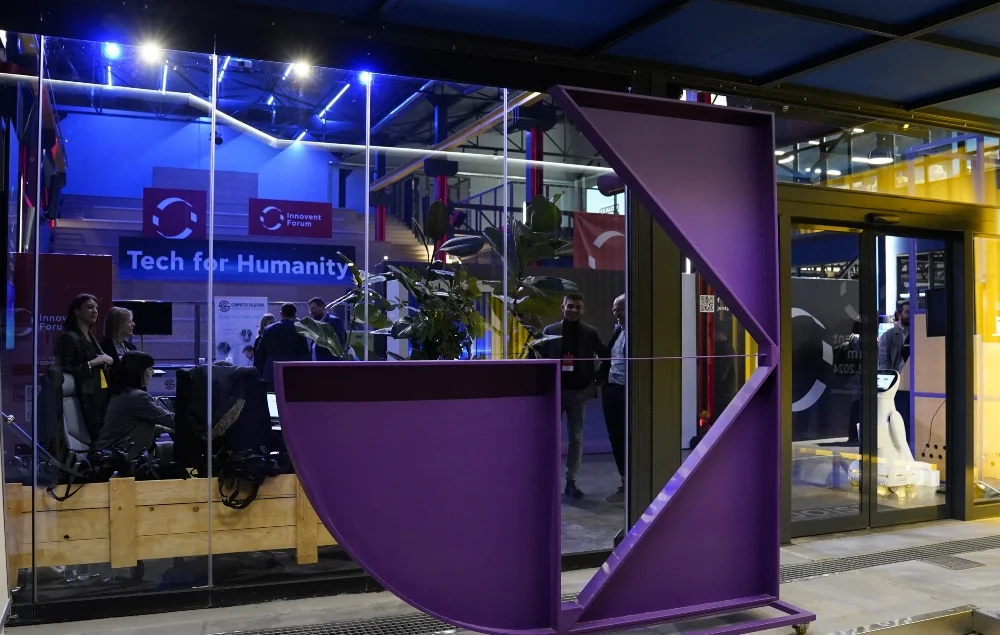
For many years, innovation in Greece was closely tied to major urban centers. Most business and technology activity was concentrated around a few large cities, creating an environment where access to networks, investments, expertise, and collaborations was not always easily available to the rest of the country.
Today, however, the landscape is gradually changing. Digital transformation, remote work, the growing need for new skills, and the increasing importance of innovation are creating new development opportunities beyond the country’s traditional business hubs. In this environment, regional innovation hubs are taking on an increasingly important role.
What Is a Regional Innovation Hub?
A regional innovation hub is an ecosystem that brings together businesses, startups, investors, research teams, universities, and organizations. The role of such a hub is multidimensional. It provides modern infrastructure and contemporary workspaces, while also creating the conditions for collaboration, networking, education, and business growth.
At the same time, modern innovation hubs are becoming increasingly connected to digital transformation services, funding support initiatives, upskilling activities, and the development of new business partnerships.
Why Are Regional Innovation Hubs Becoming More Important in Greece?
The need for stronger local innovation ecosystems is becoming more visible than ever. Many Greek regions already have universities, research centers, businesses, and highly skilled professionals with significant growth potential. What is often missing, however, is the environment that allows these different forces to connect effectively. This is exactly where the importance of regional innovation hubs lies.
By building communities and creating synergies, these hubs can help retain local talent, strengthen entrepreneurship, and attract new investments. At the same time, they create new opportunities for both small and large businesses looking for access to expertise, innovation, and new markets.
The growing importance of regional innovation ecosystems is also linked to the broader transformation of the economy itself. Hybrid work models and digitalization now allow more companies and professionals to operate outside major metropolitan areas without losing access to partnerships and growth opportunities.
From Infrastructure to Community Building
One of the defining characteristics of a successful innovation hub is that it goes beyond the creation of physical infrastructure. The real value of an innovation ecosystem lies in its ability to build active communities.
Today, businesses are not only looking for workspace. They are looking for access to people, knowledge, partnerships, investment opportunities, and new ideas. This is why networking initiatives, educational programs, and collaborative activities are becoming increasingly important.
At the same time, innovation hubs can function as connecting points between education, research, and the market, strengthening knowledge transfer and creating new business opportunities.
The Future of Innovation Ecosystems in Greece
As the need for digital transformation, upskilling, and business innovation continues to grow, regional innovation hubs are expected to play an even more important role in the years ahead. For many regions across Greece, the development of such ecosystems can become not only a tool for business growth, but also a driver of broader economic and social transformation.
In this context, the JOIST Franchise Program has been designed to support the development of modern regional innovation ecosystems through a model that connects technology, entrepreneurship, education, and collaboration. Learn more about how the JOIST franchise model works and how organizations, investors, and institutions can benefit from the development of modern innovation hubs with an international orientation.